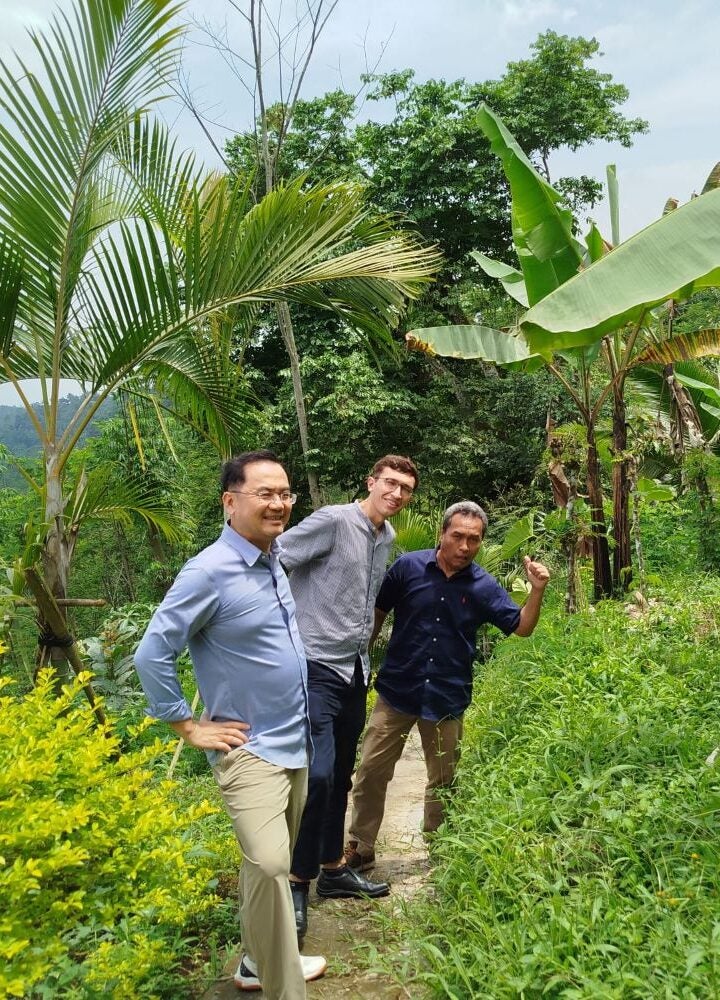
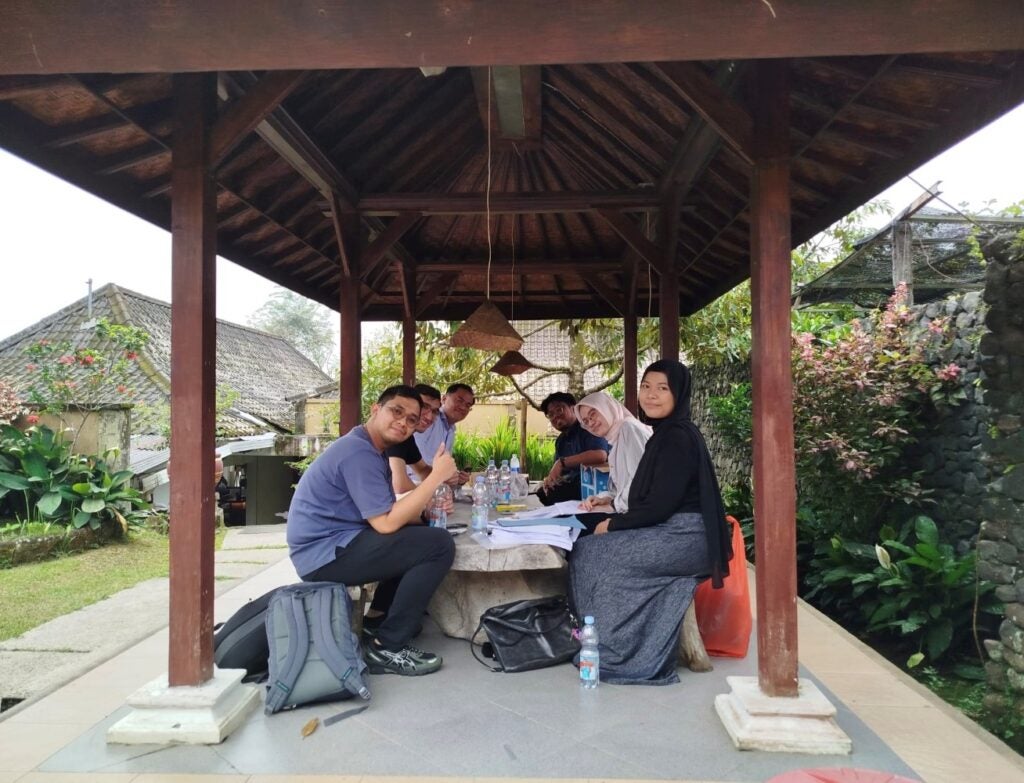
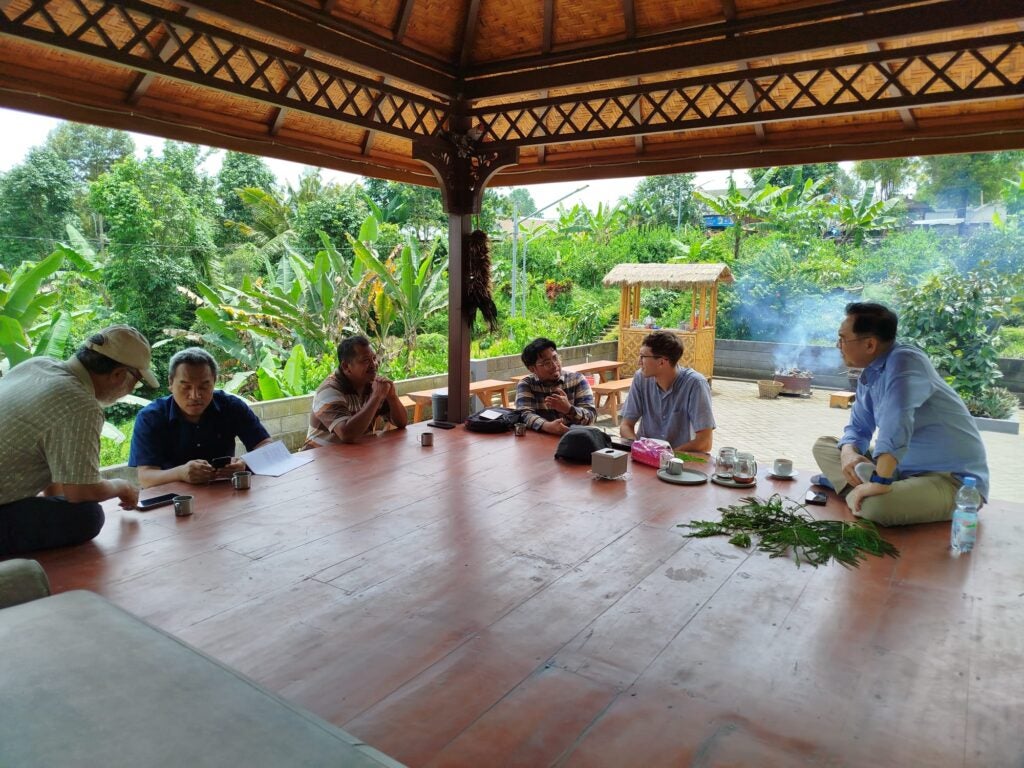
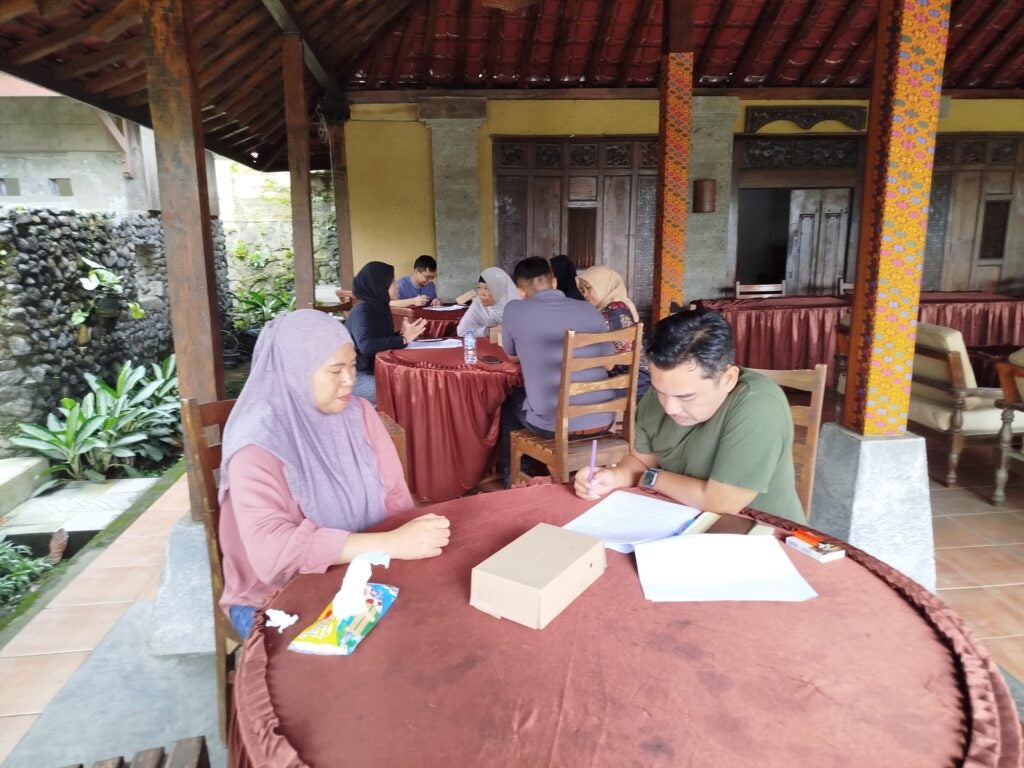
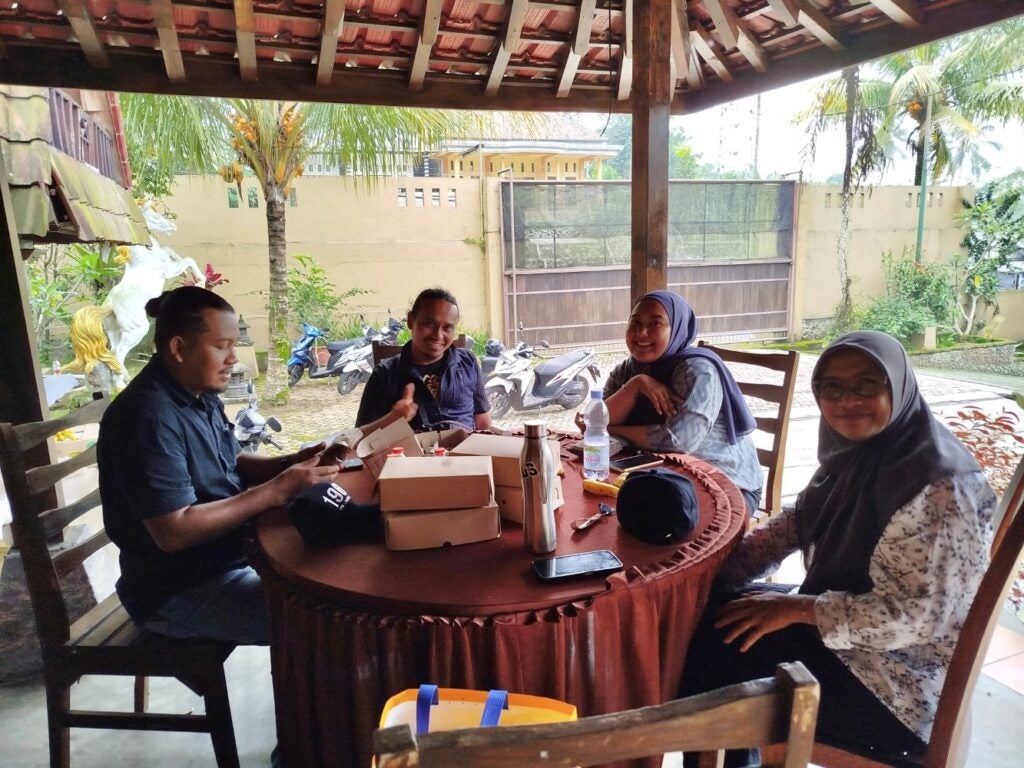
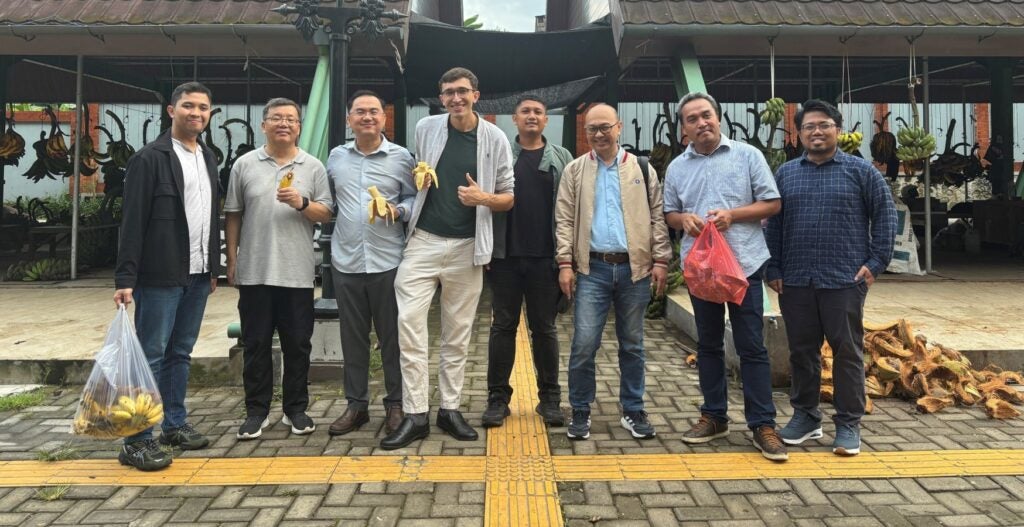
From 19 to 23 January 2026, the IPB–NUS team embarked on a field study trip to Lumajang and Malang, Indonesia. The trip examined how banana production and trade operate in Lumajang and considered digital farm-management options with Magicsoft in Malang.
19–22 January: Lumajang (including Senduro)
Activities conducted:
· Field study of the banana supply chain
· interviews with farmers
· Discussions with the Credit Union and Gemapalu
Lumajang Field Findings
Production and Supply Chain
· Lumajang’s agricultural production varies by elevation: rice in lower areas, bananas, cocoa, and coffee in mid-elevation areas, and vegetables and livestock in higher areas
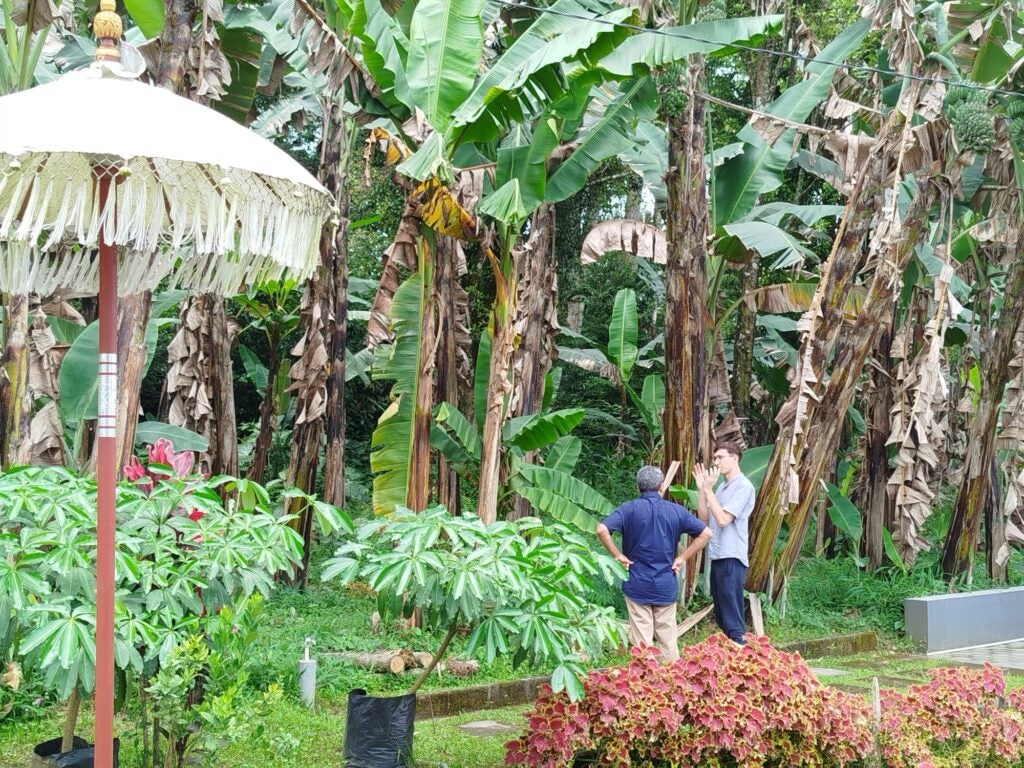
· Many banana trees grew beside farmers’ homes rather than on large, specialized plantations
· The supply chain runs from small farmers through collectors and intermediaries to wholesalers and retailers
· The manysmallfarmsandseparatetradingrolesmakeLumajang’schainstructurallydifferentfromlarger,moreintegratedoperations
Market Organization and Quality
· The common market has no standardized quality rules
· Buyers and sellers negotiate prices, and it’s reported that long-term contracts between collectors and intermediaries are uncommon
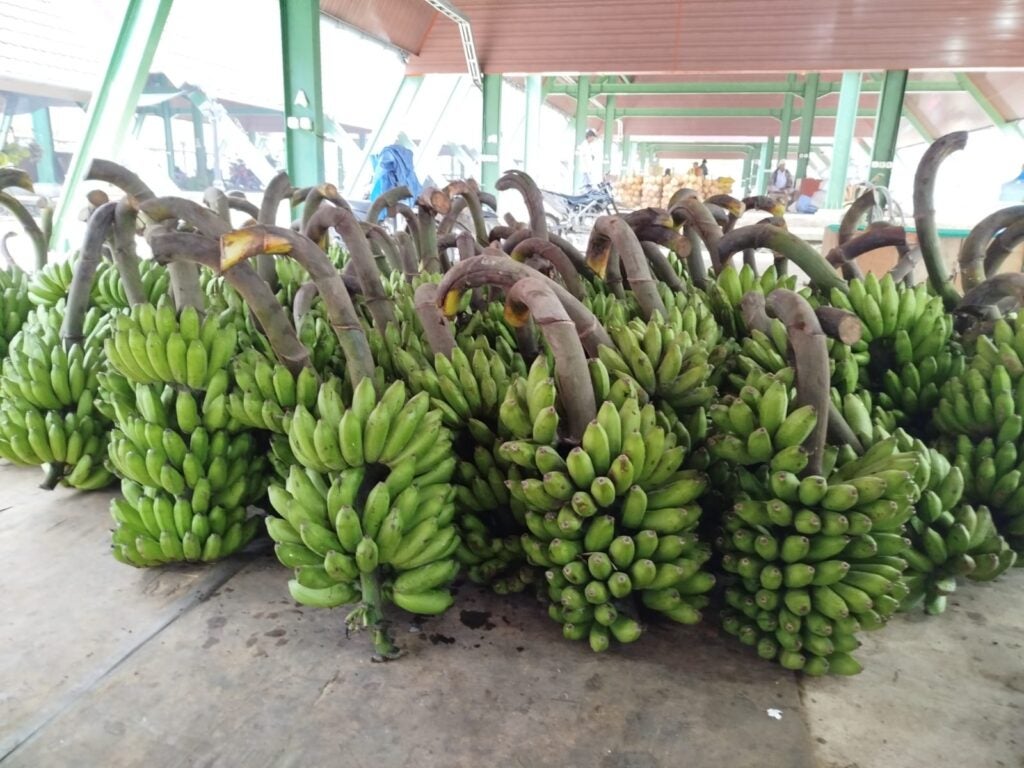
· A specialized market grades bananas as A or B, with some bunches not meeting the required grade
· The specialized market can offer higher prices and more selling choices, but increasing demand has encouraged some farmers to sell directly to wholesalers
· Farmer education on production practices may help improve yields and quality
Farmer Finance and Local Support
· Many small farmers were observed to be cash-constrained, with some indebted
· Informal borrowing costs were around 20% per year, with collectors or intermediaries exercising substantial control over harvesting and sales
· The Credit Union offers loans at approximately 2% per year, with a low membership fee of IDR 20,000, but loans are limited to members’ existing savings
· Gemapalu, an NGO founded in 2003 to support women and children, works with the Credit Union on savings and farmer education
22–23 January: Malang
Activities conducted:
· Magicsoft product presentation
· Discussion of IoT options for farm and supply-chain data collection
Technology Discussion
· Magicsoft presented its products and discussed possible IoT data collection for weather conditions, soil, and banana ripeness, including Brix measurements
· It also outlined a farm monitoring and management concept that could link production forecasts with inventory, resource use, orders, sales, maintenance, alerts, and internal audit
· Shared production standards, practical training, basic process requirements, and feedback from small and medium-sized enterprises were described as necessary parts of a potential implementation
The field trip gave the IPB–NUS team a grounded account of farmer constraints, market arrangements, local support institutions, and technology questions. Field observations highlighted a fragmented, relationship-based supply chain linking smallholders to collectors, intermediaries, wholesalers, retailers, and processors. Farmers generally cultivate small plots, diversify across crops, and face limited cash, with some relying on collectors for harvesting or credit. The Credit Union and Gemapalu provide local support through savings, lower-cost loans, and farmer education.
Building on these field observations, the discussion in Malang explored how IoT and farm-management tools could support data collection and operations. Together, the visits identified research questions on farmer finance, market coordination, quality, waste, traceability, and data design. These findings provide a qualitative problem map of the challenges and opportunities, forming the basis for a joint IPB–NUS research agenda.
Stay tuned for more updates, and check out the highlights from our trip through our photo gallery!